
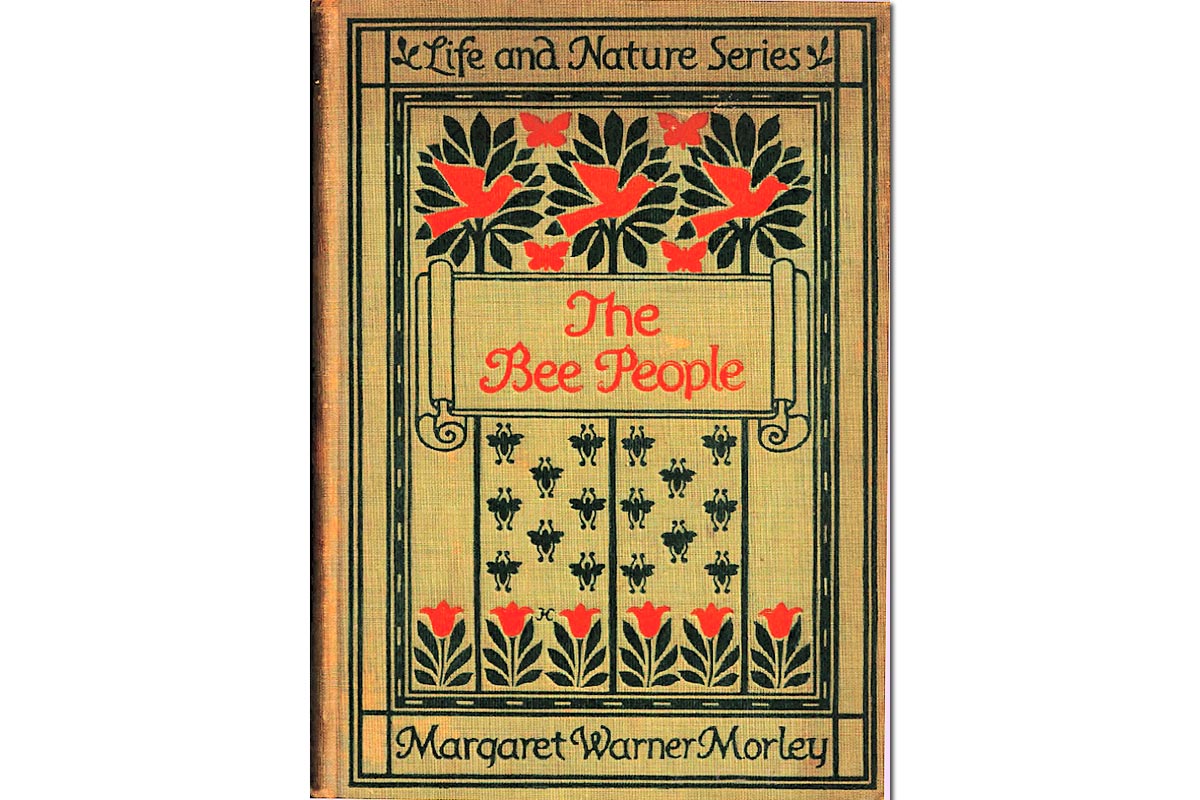

The Bee People by Margaret Warner Morley is a classic that explains the world of bees in story form; their characteristics and behaviors.
Aimed at upper elementary readers, the story provides accurate observation while still providing an interesting read. Yet while intended as a supplementary reader (reading for pleasure) the book still lends itself to the study of bees:
If she cannot show them all the processes and all the objects described in the book, the intelligent teacher will easily devise means in many cases of going with the children and the book to Nature itself, and thus aid in developing the important faculty of “how to observe.”
Topics covered include:
- Bee anatomy.
- How a bee hears and smells.
- The hive.
- The family of bee workers.
- Honeycomb.
- Swarms.
- Bees from literature, myth, and legend.
Younger students can enjoy this as a read aloud. Older students can read the book as a study.
While “The Bee People” should be read as a pleasure book rather than as a lesson book, its value with the children will not be diminished by giving them oral and written review work upon the chapters, and for this purpose a set of questions is printed at the end.
We call that narration. Great idea! The questions referred to were in the 1905 edition of the book (PDF version). We have provided them below so that no matter what edition you end up with you can use these for narration prompts.
The Bee People is a perfect addition to the bee portion of our free nature studies. Enjoy!
Free eBook
- Read online
- EPUB (convert to Kindle)
- LibriVox audio
Suggestions
Have your students do one or more of the following:
- Copy the illustration of a bee’s anatomy on pg. 14 into your notebook.
- Most of the chapters can be read in one sitting. For each chapter provide an oral or written narration (depending on age of student).
- Use the questions for each chapter below to prompt oral narrations. (Maybe not all of the questions at the end of each chapter….)
- Each chapter contains several illustrations. Find one to copy on Drawing and Writing paper and explain.
Questions for Review Work Per Chapter:
INTRODUCTION.
- Of what use are the flowers to the bees?
- Of what use are the bees to the flowers?
- What is nectar?
- What is the name of the yellow dust in the flowers?
- What is the use of pollen?
- How are flowers fertilized?
- Name the three chief parts of a bee.
I.
- What have you learned about the houses in which the bees live?
- What color are the honey-bees?
- Are they all of the same color?
- What does the Latin name for the bee mean?
- How do bees spend the winter?
II.
- What is a nectar guide?
- How many eyes has a bee?
- Where are they placed?
- Why has a bee two different kinds of eyes?
- Has a bee eye-lids?
- What has she in their place?
III.
- How does the bee get the nectar from the flower?
- Describe the tongue of a bee.
- How is it protected?
- How does she use it?
- What does she do with it when it is not in use?
- How does the bumble-bee help the honey-bee?
- How does the bumble-bee harm the flowers?
IV.
- Describe the honey-sac of a bee.
- What happens to the nectar when it gets there?
- When the nectar is strained, where does it go?
- What happens to the nectar after this?
V.
- What was the food of the gods?
- Who served it to them?
- Was it the same as the food of the bees?
- What is the food of the bees?
- How do they carry it home?
VI.
- How many legs has a bee?
- How many joints are there in each leg?
- Name some of the uses to which the bee puts its legs.
- What is the use of the hairs on the upper part of the bee’s legs?
- Where does the bee carry her pollen baskets?
- How does the bee fill these baskets?
- Where are the brushes and combs of the bee?
- How does she use them?
- How is “bee-bread” made?
VII.
- How many wings has a bee?
- How does she use them?
- What does she do with them when they are not in use?
- What is one great enemy of the bees?
VIII.
- What has a bee instead of ears?
- What has a bee instead of a nose?
- Where are they?
- What other things does a bee do with her antennæ?
- How does she keep them clean?
- Tell the story of Francis Huber.
IX.
- What other enemies has the bee besides the birds?
- How many barbs has the sting of a bee?
- How many parts are there in the sting of a bee?
- Why does the sting of a bee cause so much pain?
- What is a good thing to do when you are stung by a bee?
- What happens to the bee after it has stung you?
X.
- What is meant by a “bee-line”?
- Is it right to call it so?
- How does the bee fly home?
- Why do you think the bee does this?
- Who do all the work in the beehive?
XI.
- What is a drone?
- In what way is he different from the working-bees?
- How does he pass his time?
- How does he get his food?
XII.
- How does the queen-bee differ from the other bees?
- How many queen-bees are there in a hive?
- What is the queen-bee besides a queen?
- What is her chief occupation?
- How many eggs has a queen-bee laid in one day?
- Has the queen-bee a sting?
- What is it besides being a sting, and what does it do?
- Which has the longer life — the queen-bee or the working-bee?
- What is the queen-bee fed on?
- How is she fed?
XIII.
- What are some of the different kinds of work of the working-bee?
- Where are her wax-pockets?
- What are they for?
- What is the use of her hook-like toes?
- Why does she do this?
- What happens while she is digesting her food?
- Who first told us how beeswax is made?
XIV.
- Why does beeswax make good honey cups?
- How does the bee get the wax out of her pockets?
- What are the three wax-working tools of the bee?
- How does she use them?
- How many sides has a honey-cell?
- Where does the bee first begin to build her honey-cells?
- What do we call the cells when they are all built?
- Can you describe a honey-comb?
- How does the bee fill the cells in the honey-comb?
- Does she make them quite full?
- Explain why the honey does not run out of the cell as it lies on its side.
- What do the bees store in the cells besides honey?
- Where are the honey-cells in the honey-comb?
- Where does the bee get her glue?
- What does she do with it?
XV.
- What are the favorite flowers from which the bees gather honey or nectar?
- Why is honey some of one color and some of another?
- What do you know about poisonous honey?
- There is another thing on which bees feed besides honey. What is its name?
- What are aphides?
- On what do they feed?
- What is honey-dew?
- Who like honey-dew besides the bees?
XVI.
- What cells are there in the comb besides honey-cells and bee-bread cells?
- Which is the largest of these?
- Which is the smallest?
- How many kinds of eggs does the queen-bee lay?
- What is the first thing that happens to the egg?
- What is the name of the first form of the bee?
- What does the name mean?
- What does it feed upon?
- What happens when it has grown almost as large as its cell?
- What is a cocoon?
- What is the next change of the baby-bee in the cell?
- What is a pupa?
- How does the baby-bee get out of its cell?
- Why does an egg become a queen-bee?
- How long does it take for an egg to become
- A queen-bee;
- A worker;
- A drone?
- Name some of the duties of the working-bees in the hive.
- Why is bee-glue called propolis?
- Name some of the uses of bee-glue.
- What happened to the snail which got into the hive?
- How do the bees guard their hives against strangers?
- How do bees breathe?
- How is the air kept pure in the hive?
XVII.
- What happens when a new queen is born in a hive?
XVIII.
- What happens when two queens are born in a hive?
- Why can one queen-bee kill another without harm to herself?
- How often does a queen-bee leave the hive?
- What happens the first time she leaves it?
- What becomes of the drones in the winter?
XIX.
- What did Shakespeare tell us about the bees?
- Can you tell some odd fancies about bees?
- What was the story of Jupiter and the bees?
- Where is Mount Hymettus?
- Where is Mt. Hybla?
- For what were they famous?
- Where are the finest bee-pastures in the world?
- Why is honey better than sugar?
- Can you recite a verse about the bees?
- What use are the bees to the orchard trees?
- What use are they to cucumbers?
- What else do they fertilize?
Additional Resources
The First Book of Bees ~ Free eBook
For an introductory book less than 70 pages long, The First Book of Bees covers a great deal of ground! The illustrations are very helpful to any bee study.
Keep Reading

Buz or The Life And Adventures of a Honey Bee ~ Free eBook
Habits and societal roles of bees told in story form.

Free Nature Studies: The Honey Bee
Honey bees collect pollen and build hives where they store honey. Unit resources.

Dickinson, Emily: “The Pedigree of Honey”
The pedigree of honey Does not concern the bee…. Poetry study.