


A seed develops inside a plant’s fruit and consists of an embryo plant, food, and a protective covering.
This week we’ll cover seed anatomy; and next week how seeds travel.
Read the current chapter online: “Seed Homes”
Suggestions
- Review pollination.
- Add a page in your notebook for each of the plants mentioned:
- White bean (haricot).
- Tomato.
- Potato.
- Spruce tree.
- Pecan tree.
- Filbert.
- Chestnut.
- Brazil nut.
- Observe a bean plant growing and note the various stages mentioned in the lesson (or if you are in a hurry, watch the time lapse video below).
- Plant and observe a tomato plant growing. Note the various stages mentioned in the lesson (or if you are in a hurry, watch the time lapse video below).
- Cut and cross-section a green tomato and a ripe, red tomato. Notice the difference in their seeds. You’ll find more information at the University of California-Davis.
- Plant and observe a corn plant growing. Note the various stages mentioned in the lesson (or if you are in a hurry, watch the time lapse video below).
- Plant a potato from an “eye” using these instructions at Michigan State University.
- Can you find the twin seed “cradles” of the maple tree?
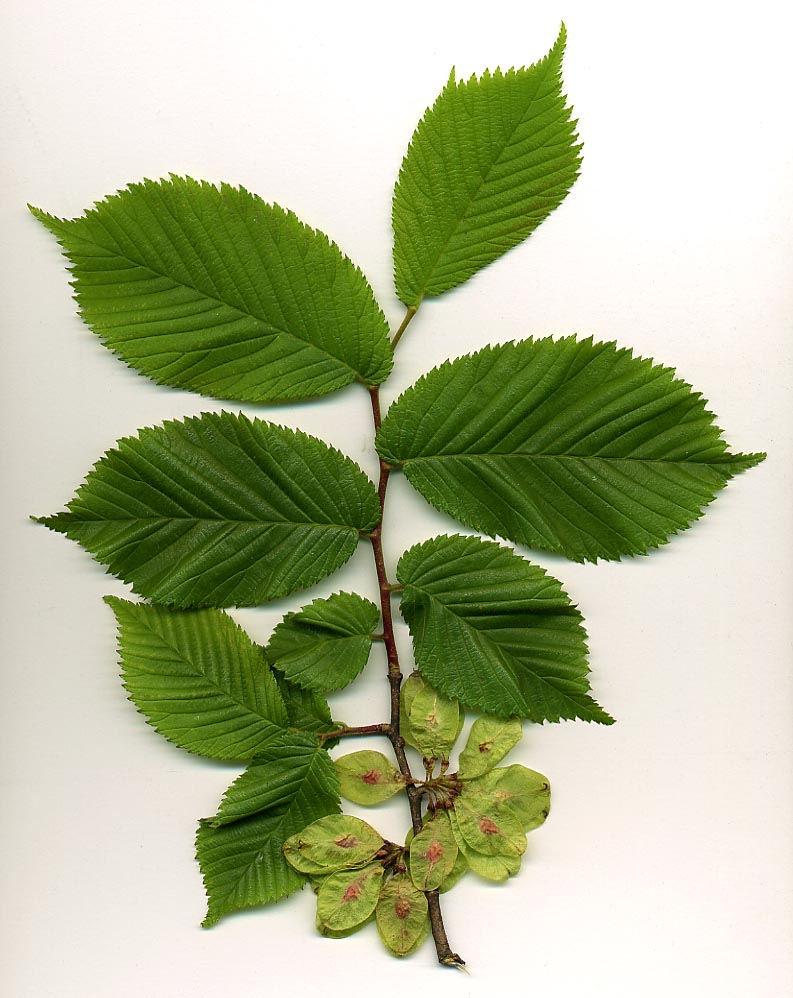
- Examine the elm tree “cradle.”
- Compare and contrast the maple tree and elm tree cradles.
- View the brown cradles of the oak (acorns).
- Examine an apple cross-section at ApplePareMuseum.com.
- Read a little about the Brazil nut and see its odd seed cradle arrangement.
- Make a list of the different seed homes discussed. What others can you add?
- Something to do #1: When arranging your seed collection, read the article “Seed Art” at Backwoods Home Magazine for inspiration!
- Something to do #2: The author gave a hint as to the reason nuts have hard shells near the bottom of pg. 201. Can you guess?
- Something to do #3: Read about the strawberry, red raspberry and currant.
- Something to do #4: If you don’t have a pin cherry seed available, you can read a description at the Minnesota Department of Natural Resources.
- Something to do #5: Rather than describe your life as a chestnut, a simple narration can be substituted after reading a field guide on American chestnut trees.
- Something to do #6: This article on how to grow roses from seed at the Santa Clarita Valley Rose Society will help you describe a rose seed home.
- Memorize and recite Matthew 13:31–32.
- Use Genesis 8:22 for copywork or dictation.
- More about seed homes and nuts from the Book of Knowledge:


A seed consists of an embryo plant, a food supply to keep this little plant alive until it starts making its own food, and a protective covering…. [T]he embryo plant results from the processes of pollination and fertilization that took place in the flower. Seeds develop inside fruits.
There are fruits that contain just one seed, such as the olive, cherry, peach and avocado. Most nuts, acorns, and the various grains such as wheat, corn, oats, rice and rye are one-seeded fruits that we refer to as seeds because the “fruit” part is only a tight skin or shell around the seed, and fruit and seed could hardly be distinguished.
When the fruit of a tree or a shrub is enclosed in a bony, woody or leathery covering that does not open when ripe, it is commonly called a nut. Some people, indeed, live almost entirely on nuts.
Nuts differ very much in their formation, and fruits like the walnut and chestnut, which have a thick outer covering that has to be removed before what we call the nutshell is exposed, are really at a stage between a stone fruit, like the plum, and a nut that has its shell exposed, like the filbert.
“How Plants Spread Their Seeds” & “The Natural History of a Nut,” The Book of Knowledge
- Plants
Ready to go outdoors? The Handbook of Nature Study covers plants beginning on page 453, and continuing through page 731. The beginning pages cover how to begin the study of plants and their flowers, and then follow guidelines for investigating specific wildflowers, weeds, garden flowers, cultivated crop plants, trees, and flowerless plants.
Further Investigation
Time lapse of bush bean growing.
(You may want to install an ad blocker before viewing.)
Time lapse of tomato plant growing.
(You may want to install an ad blocker before viewing.)
Time lapse of corn plant growing.
(You may want to install an ad blocker before viewing.)
Parts of a Seed
Close-up view at IowaAgLiteracy.org.
Apple Seed Anatomy
What’s inside at the ApplePareMuseum.com.
Seed Germination
Learn about seeds and what is inside them with this lesson from the New York Botanical Garden.
Seed Structure and Anatomy
Technical information and wonderful diagrams for all at the University of London.
Pine Cones
General summary.
Fruits and Seeds
Click on the classification sheet under materials at MSNucleus.org to see the different types of seed home arrangements.
Plant Structures: Fruit
The function, structures and types of fruit from the Colorado State University Extension Center for older students.
Activities
Case 3: Is it Dust, Dirt, Dandruff or a Seed?
Interactive exploration of the anatomy of a seed from the University of Illinois Great Plant Escape.
Starting Tomatoes from Seed
Complete instructions at the University of Minnesota Extension.
Maple Seed Helicopters
Is there anyone that hasn’t done this? Activity at NASA.
Books
The First Book of Plants ~ Free eBook
Free public domain title that makes an excellent introduction to plants and can be used as a helpful plant study reference.

A Seed is Sleepy by Dianna Hutts Aston
This beautiful picture book is a wonderful addition for the young seed explorer. Simple text, but still uses scientific terms. The illustrations alone will captivate.
Seed Babies by Margaret Warner Morley
An investigation inside seeds explained in story format.

The World of Plants by Dinah Zike
Dinah Zike was known for her foldables before lapbooks became popular. In this book she incorporates that learning tool with learning about plants. Includes 24 complete lessons including templates, activities, the scientific method and suggestions for further activities and research.
Unit Studies & Lesson Plans
Inside a Seed
Simple lesson plan at AToZTeacherStuff.com for dissecting a lima bean seed to see what is inside.
Parts of a Seed
Lesson plan from IowaAgLiteracy.org exploringthe differences between monocot and dicot seeds.
Seeds: Thematic Unit
Six lessons in this 4-page download at Northern Arizona University exploring everything about seeds.
Seed Challenge
Excellent 32-page download from the Wisconsin Fast Plants Program that includes step-by-step plans for planting and charting plant growth. Includes journal activities, discussion questions and charts.
Printables & Notebooking Pages
Plant Growth Monitoring (archived)
Plant growth charts at the Washington Native Plant Society.
Seed Diagram
For notebook.

Dissection Lab Sheet (archived)
Notebook page for recording observations when dissecting a lima bean seed.
Nature Journal Notebooking Sets {Free Download}
Free blank nature journal sets for drawing, illustrating, copying, or narrating.
Seed Homes & Anatomy Notebooking Pages
Simple pages for copywork, narrations, and Something to Do #4, #5, and #6.
Enjoy the complete series:
